5 Simple Daily Personal Development Wins That Actually Stick
Ever feel like you’re constantly chasing that elusive feeling of “progress”? You read the books, listen to the podcasts, maybe even buy the online courses, but the needle on your personal development meter feels stubbornly stuck. It’s a common frustration, isn’t it? We often envision massive, life-altering changes happening overnight, and when they don’t, we get discouraged. But what if I told you that the secret to significant personal development isn’t about giant leaps, but about incredibly small, consistent steps? Today, we’re diving into five simple daily personal development wins that, when practiced consistently, can truly transform your life. Think of it as building a powerful momentum, one tiny victory at a time.
The Power of Micro-Habits: Why Small Changes Create Big Ripples
We tend to underestimate the power of tiny actions. It’s like trying to build a skyscraper by laying one brick at a time. Each brick might seem insignificant, but collectively, they create something monumental. This is the essence of micro-habits. Instead of aiming to meditate for 30 minutes every day (which can feel daunting!), what if you committed to just one minute? Or instead of vowing to read an hour a day, perhaps it’s just one page.
The beauty of this approach lies in its sustainability. When habits are too challenging, we quickly fall off the wagon. But when they are so small they’re almost ridiculous, they become incredibly easy to integrate into your day. This ease builds confidence and a sense of accomplishment, which in turn fuels further motivation. As BJ Fogg, a Stanford behavior scientist and author of “Tiny Habits,” eloquently puts it, “Make it easy to do, and you’ll do it.” His research highlights that focusing on making a behavior easy is far more effective than relying on motivation. Think about it: when you successfully complete even a tiny task, like making your bed as soon as you get up, you’ve already won. You’ve started your day with a small, concrete achievement, setting a positive tone. This win isn’t just about a tidy bed; it’s a psychological boost that can make you feel more in control and ready to tackle other tasks. This is the core principle behind achieving daily personal development wins.
Let’s explore some specific, actionable wins that can make a real difference.
Win 1: The 5-Minute Mindfulness Moment: Reclaiming Your Present
In our hyper-connected world, our minds are constantly flitting between the past, the future, and a million digital distractions. It’s no wonder we often feel overwhelmed and disconnected. Mindfulness, at its core, is simply paying attention to the present moment without judgment. And guess what? You don’t need to be a Zen master or dedicate an hour a day to reap its incredible benefits. A mere five minutes can be a game-changer.
Think of this as a mental palate cleanser. It’s a chance to step off the treadmill of constant thought and simply be. This isn’t about emptying your mind, which is practically impossible, but about observing your thoughts, feelings, and bodily sensations as they arise, without getting swept away by them.
How to Implement Your 5-Minute Mindfulness Moment:
- Choose Your Anchor: Your anchor is what you’ll gently bring your attention back to when your mind wanders (which it will!). Common anchors include your breath, the sensations in your body, or sounds around you.
- Set a Timer: Use your phone or a dedicated timer for exactly five minutes. The short duration makes it feel manageable and less intimidating.
- Find a Comfortable Posture: You can sit on a chair, cross-legged on the floor, or even stand. The key is to be comfortable and alert.
- Begin: Close your eyes gently or soften your gaze.
- Focus on Your Anchor: If you’ve chosen your breath, simply notice the sensation of the air entering and leaving your nostrils, or the rise and fall of your chest or belly.
- Acknowledge Wandering Thoughts: When your mind inevitably drifts to your to-do list, a past conversation, or future worries, gently acknowledge the thought without judgment. Think of it like noticing a cloud passing by in the sky. Then, without frustration, gently guide your attention back to your anchor.
- End Gently: When the timer rings, take a moment to notice how you feel before jumping back into your day.
Why it Works: Studies have consistently shown the power of even short mindfulness practices. A meta-analysis published in JAMA Internal Medicine found that mindfulness meditation programs improved anxiety, depression, and pain. Even five minutes can help reduce stress hormones like cortisol, improve focus, and foster a greater sense of calm. Dr. Jon Kabat-Zinn, a pioneer in the field of mindfulness, defines it as “paying attention in a particular way: on purpose, in the present moment, and non-judgmentally.” This practice helps you develop meta-awareness – the ability to observe your own thoughts and reactions. Over time, this leads to less reactivity and more intentionality in your responses. It’s not about achieving a state of perfect stillness, but about building the skill of returning to the present, which is a profound personal development win in itself.
Win 2: The One-Minute Gratitude Practice: Shifting Your Perspective
It’s easy to get caught up in what’s missing, what’s wrong, or what we want to achieve next. Our brains are often wired for negativity bias, meaning we tend to focus more on threats and problems. Gratitude is the antidote. It’s a powerful practice that can rewire your brain to appreciate what you already have, leading to increased happiness and well-being. And you guessed it – it only needs one minute.
This isn’t about forcing yourself to be grateful for something you don’t feel. It’s about actively seeking out the small things, the often-overlooked positives, that enrich your life. Think of it as a daily dose of sunshine for your soul.
How to Implement Your 1-Minute Gratitude Practice:
- Choose Your Time: This can be first thing in the morning, before bed, or even during a transition in your day (like while making coffee).
- Grab a Tool (Optional but Recommended): A simple notebook and pen, or even a note-taking app on your phone, can be incredibly helpful.
- Identify Three Things: Think of three specific things you are grateful for today. They can be incredibly small: the warm sun on your face, a good cup of coffee, a supportive friend, a comfortable bed, a beautiful song, a helpful colleague, even the fact that your internet is working today!
- Write Them Down (or Say Them Aloud): Briefly jot down each item or simply say them to yourself. The act of articulation, even if brief, solidifies the feeling.
- Feel It: As you list each item, try to genuinely feel the emotion of gratitude. Let it wash over you.
Why it Works: The benefits of gratitude are well-documented. A study by Emmons and McCullough published in the Journal of Personality and Social Psychology found that participants who regularly practiced gratitude reported higher levels of positive emotions, optimism, and life satisfaction, and even experienced fewer physical symptoms. They also tended to be more helpful and compassionate. When you consistently look for the good, your brain starts to actively seek it out. This shift in perspective can reduce feelings of envy, resentment, and regret, and foster a more positive outlook on life. It’s a simple yet profound way to cultivate resilience and appreciate the abundance that already exists. A daily personal development win like this can fundamentally alter your experience of the world.
Win 3: The “Brain Dump” for Clarity: Clearing Mental Clutter
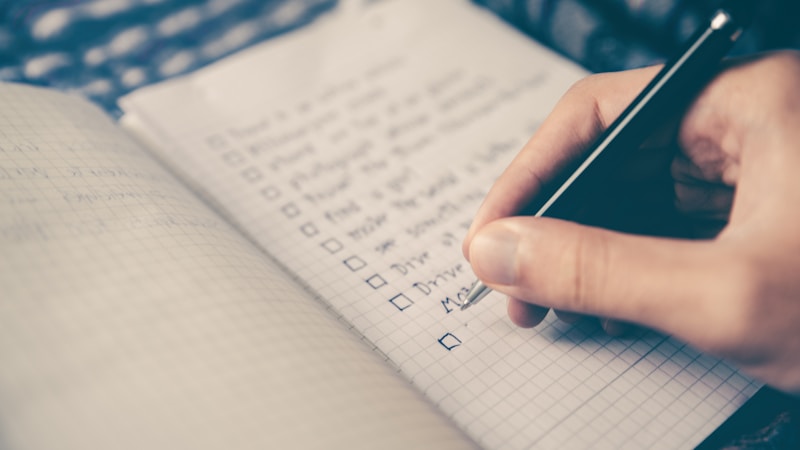
Do you ever feel like your brain is a browser with too many tabs open? Ideas, to-do items, worries, and random thoughts swirl around, making it hard to focus on what truly matters. This mental clutter can lead to procrastination, overwhelm, and a general feeling of being stuck. The “brain dump” is your secret weapon for reclaiming mental clarity.
This practice involves taking all those swirling thoughts and getting them out of your head and onto paper (or a digital document). It’s a powerful way to externalize your internal monologue, making it less overwhelming and more manageable.
How to Implement Your Daily Brain Dump:
- Set Aside 5-10 Minutes: Again, keep it short and sweet to make it a habit.
- Choose Your Medium: A notebook, a blank document on your computer, or a dedicated note-taking app will work.
- Just Write: Don’t censor yourself. Don’t worry about grammar, spelling, or making sense. Just write down everything that’s on your mind. This can include:
- Tasks you need to do
- Ideas you have
- Worries or anxieties
- Things you’re thinking about
- Questions you have
- Reminders
- Anything at all that’s occupying mental space.
- Keep Going Until You Feel Empty: Continue writing until you feel like there’s nothing left to put down. It might take a few minutes to get into the flow.
- Review and Organize (Optional but Recommended): Once you’ve completed your dump, you can take another minute or two to quickly scan what you’ve written. You might group similar items, highlight urgent tasks, or simply acknowledge what’s there. The primary goal is the act of emptying your mind.
Why it Works: The psychological benefit of externalizing thoughts is immense. It frees up cognitive resources, allowing you to focus better on the task at hand. As David Allen, author of “Getting Things Done” (GTD), a popular productivity methodology, emphasizes the importance of a trusted “external brain” for capturing all your commitments and ideas. He states, “Your mind is for having ideas, not for holding them.” By getting everything out of your head, you reduce the mental energy spent trying to remember everything. This can significantly decrease stress and anxiety. It also provides a clearer picture of what’s truly on your plate, allowing you to prioritize more effectively and avoid that feeling of being bombarded by demands. This daily personal development win is all about gaining control over your mental landscape.
Win 4: The 10-Minute Movement Break: Energizing Your Body and Mind
Our modern lifestyles often involve a lot of sitting – sitting at desks, sitting in cars, sitting in front of screens. This sedentary behavior can take a toll on our physical and mental health. But you don’t need a full gym session to combat this. A simple 10-minute movement break can make a remarkable difference.
This isn’t about breaking a sweat or pushing yourself to exhaustion. It’s about getting your blood flowing, waking up your muscles, and giving your brain a much-needed reset. Think of it as an active pause.
How to Implement Your 10-Minute Movement Break:
- Schedule It: Treat it like any other appointment. Set a reminder in your calendar for a time that works best for you. Mid-morning and mid-afternoon are often great times to combat the afternoon slump.
- Choose Your Movement: The beauty here is flexibility. You can:
- Go for a brisk walk: Around the block, in your office building, or even just up and down stairs.
- Do some stretching: Focus on areas that feel tight, like your neck, shoulders, hips, and hamstrings. There are countless short stretching routines available online.
- Dance! Put on your favorite upbeat song and just move your body. Nobody’s watching!
- Do a few simple exercises: Jumping jacks, squats, lunges, push-ups (even on your knees).
- Try some yoga poses: Cat-cow, downward dog, or a simple sun salutation.
- Focus on How it Feels: Pay attention to the sensations in your body. Notice how your breath changes, how your muscles feel, and the release of tension.
- Hydrate: Have a glass of water before or after your movement break.
Why it Works: Physical activity, even in short bursts, has profound effects on both our physical and mental state. It boosts endorphins, which are natural mood elevators. It can improve circulation, which in turn enhances cognitive function and alertness. Research has shown that even short bouts of exercise can improve executive function, which includes planning, problem-solving, and self-control. A study published in the British Journal of Sports Medicine highlighted that physical activity is associated with improved cognitive function and reduced risk of cognitive decline in older adults, underscoring the long-term benefits of even modest activity. This isn’t just about physical health; it’s a powerful tool for mental clarity and energy management. It’s one of those daily personal development wins that pays dividends throughout your entire day.
Win 5: The Single-Tasking Success: Mastering One Thing at a Time
In a world that glorifies multitasking, the idea of single-tasking might seem counterintuitive, even inefficient. But here’s the truth: true productivity and deep work often thrive on focus. When we try to juggle too many things at once, our attention fragments, leading to more errors and less satisfaction. This one-minute win is about choosing one thing and giving it your undivided attention for a short, dedicated period.
This practice is less about the duration and more about the quality of your focus. It’s a conscious decision to resist the urge to switch tasks and instead immerse yourself in what’s right in front of you.
How to Implement Your Single-Tasking Success:
- Identify Your “One Thing”: This could be replying to a specific email, drafting one paragraph of a report, reading one chapter of a book, or even doing a single chore with complete focus.
- Set a Timer (1-5 Minutes is Sufficient): The goal is not to finish a massive project, but to practice focused attention.
- Eliminate Distractions: Turn off notifications, close unnecessary tabs, and let others know you need a few minutes of uninterrupted focus.
- Engage Fully: Pour all your attention into that one task. Notice the details, the process, and the effort involved.
- Resist the Urge to Switch: When the thought of another task pops up, acknowledge it, and then gently redirect your attention back to your chosen “one thing.”
- Acknowledge the Completion: Once the timer is up, take a moment to acknowledge that you dedicated your full attention to that single task.
Why it Works: Multitasking is often just rapid task-switching, which drains mental energy and reduces efficiency. A study by the University of California, Irvine, found that it can take over 23 minutes to get back on track after an interruption. By practicing single-tasking, even for short periods, you train your brain to focus more effectively. This not only improves the quality of your work but also reduces the stress and frustration associated with constant context-switching. It fosters a sense of accomplishment and mastery over individual tasks, which builds confidence and momentum. It’s about reclaiming your attention span, one dedicated minute at a time, which is a vital personal development win in our distracting era.
Bottom Line: Small Wins Lead to Big Transformations
So there you have it – five simple daily personal development wins that can be integrated into your life with minimal effort but immense impact. It’s easy to feel overwhelmed by the sheer volume of advice on self-improvement, but the truth is, consistent, small actions are far more powerful than sporadic, grand gestures.
These aren’t just theoretical concepts; they are practical, actionable strategies that, when practiced daily, can create profound shifts in your well-being, productivity, and overall outlook on life. Remember, personal development isn’t a destination; it’s a journey, and the most rewarding journeys are often built on a series of small, consistent steps. By focusing on these micro-wins, you’re not just ticking boxes; you’re building momentum, cultivating resilience, and empowering yourself to create the life you truly desire.
What daily personal development win are you going to try first? Let me know in the comments below!